Steps to take when a person with dementia goes missing
When a person with dementia wanders off and does not return, every minute matters. The first actions you take can shape how quickly they are found and how safe they stay while missing. This article covers the practical steps to follow, the tools that help with prevention, and what to consider when planning for this situation in advance.
Dementia affects memory, judgment, and spatial awareness. A person might leave home with a clear intention - to walk to a familiar place or to "go home" to a house they lived in decades ago - and then become confused when their surroundings do not match their memory. They may not recognise that they are lost or be able to ask for help. Understanding this helps you respond with urgency and patience.
Immediate steps when you realise someone is missing
Start by searching the immediate area. Check the garden, the neighbour's property, nearby paths, and any spots the person used to visit regularly. Look inside the house again - cupboards, sheds, and unusual hiding places. People with dementia sometimes tuck themselves into small spaces without realising it. If the search does not find them within a few minutes, move to the next step without delay.
Call the police. Tell them the person has dementia and that they are missing. Give a clear description: what they were wearing, their approximate height and weight, any distinctive features, and the direction they likely headed. Mention if they have a history of wandering or if they need medication. The police can begin a missing person response immediately, and they will coordinate with search and rescue teams if needed.

Contact family members and close neighbours. Ask them to help search and to keep an eye out. Share a recent photo of the person and a description of their clothing. If the person has a mobile phone or a wearable device, check its location. Many devices, including senior location trackers, can show the last known position even if the person cannot answer a call.
Using technology to locate someone with dementia
A senior location tracker is one of the most practical tools for this situation. These devices are designed to be worn or carried by an older adult, and they use GPS and Wi-Fi positioning to report their location in near real time. When a person goes missing, a caregiver can open the tracker's app or web portal and see exactly where the person is, often within a few metres. This information can be shared directly with the police or search team, cutting down the time spent guessing where to look.
Some trackers also offer geofence alerts. You set a virtual boundary around the home or another safe area, and the device sends a notification when the person crosses that boundary. This gives you an early warning that they have wandered off, sometimes before they have gone very far. Combined with fall detection and SOS buttons, these devices provide a safety net that works even when the person cannot or will not use a phone.
One service that provides this kind of device in New Zealand is familyr.co.nz. Their elderly GPS tracker uses GPS and Wi-Fi location, includes SOS alerts and fall detection, and supports two-way communication without monthly fees. For any family caring for a relative with dementia, having such a tracker in place before a wandering incident occurs can make a significant difference in the outcome.
What to tell the police and search teams
When you speak to the police, give them as much detail as you can. Mention any medical conditions, including dementia, and describe the person's usual walking speed and stamina. If they have a favourite route or a place they talk about often, say so. Tell the police about any devices the person is carrying or wearing, especially if those devices have location tracking. If the person is wearing a senior location tracker, provide the make and model, and share the tracking data if possible.
Search teams may also ask about the person's habits. Do they tend to walk on roads or through bushland? Do they avoid busy areas or seek them out? The more specific you can be, the better they can narrow down the search area. If the person has a history of wandering, mention the typical distance they cover and any landmarks they gravitate toward.

Preparing a care plan for wandering
The best time to plan for a missing person incident is before it happens. A care plan for wandering should include a recent photo of the person, a list of their medical needs, and a map of the local area marked with places they might go. Keep a copy of this plan at home and share it with trusted neighbours or family members who live nearby.
A senior location tracker fits naturally into this plan. The device should be charged and worn every day, and the caregiver should check the battery level regularly. Set up the geofence around the home and practise using the tracking app so you are comfortable with it in an emergency. If the person resists wearing the device, try attaching it to a favourite jacket or shoe, or choose a model designed to look like a watch or pendant. Some families also keep a spare device in case the first one is lost or forgotten.
Review the plan every few months. The person's condition may change, and the places they wander to may shift as their memory changes. Update the photo and the list of medications whenever there is a change. Share the updated plan with anyone who might be called to help.
What to do while waiting for news
Waiting for news is stressful. Keep your phone charged and nearby so you can receive updates. Stay in one place where the search coordinator can reach you easily. If you have other family members or friends helping with the search, ask them to report back to a single point of contact so the police do not have to manage multiple calls.
Avoid driving around aimlessly. It uses fuel, wastes time, and can interfere with search efforts. Instead, let the search teams do their work and focus on providing them with information. If you have access to the person's tracking data, monitor it and relay any changes to the police. Do not go into dangerous areas - such as steep terrain, waterways, or busy roads - unless a trained search team asks for your help.
After the person is found
Once the person is safe, take them to a doctor if there is any sign of injury, dehydration, or distress. Even if they seem fine, a check-up is a good idea. Talk to their doctor about whether the wandering could be linked to an infection, a change in medication, or a new symptom of their dementia.
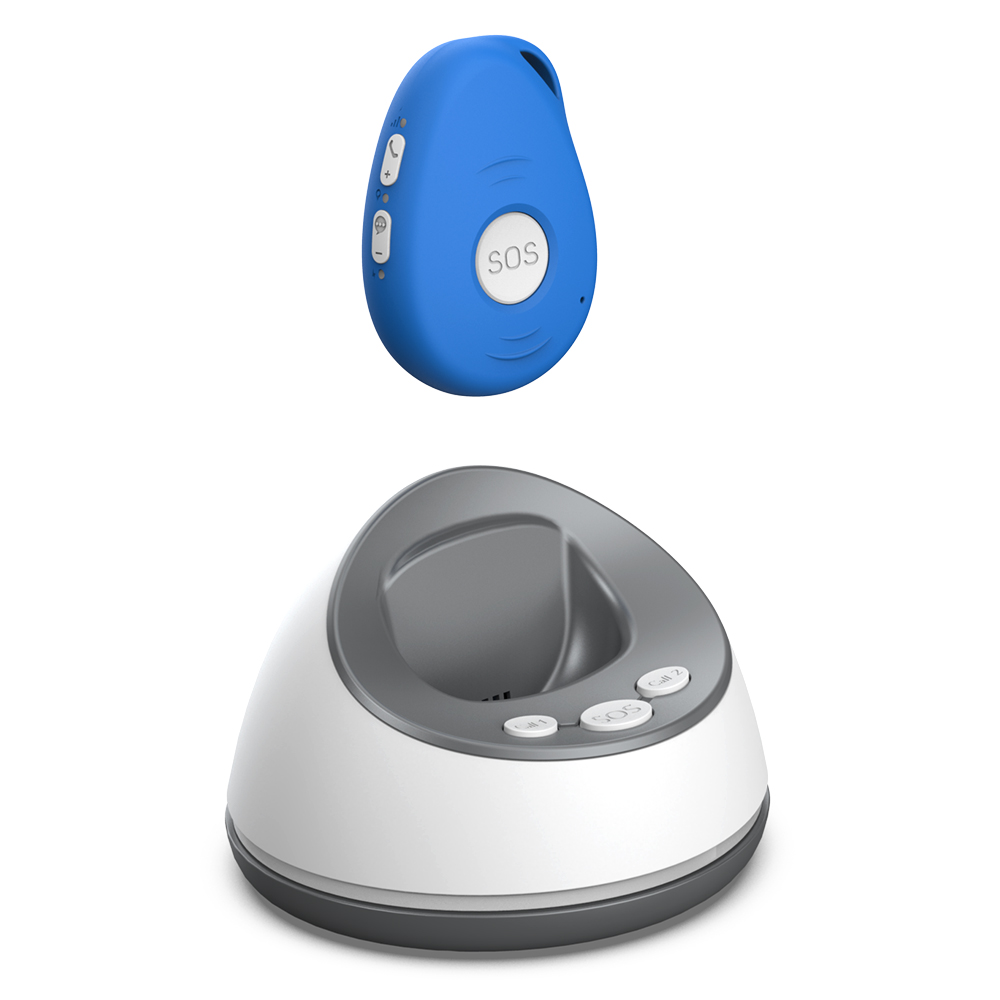
Review what happened. What triggered the wandering? Was it a change in routine, a noise, a visitor, or a need they could not express? Adjust the care plan accordingly. If the person was not wearing a tracker, consider getting one. Many families find that a senior location tracker like the one from familyr.co.nz gives them peace of mind and a practical way to keep their loved one safe while still allowing them some independence.
Wandering is one of the most common and most frightening behaviours in dementia care. With a clear plan, the right tools, and a calm, quick response, you can improve the chances of a safe return. The key is to act fast, share accurate information, and use every resource available, including technology designed for this exact purpose.